
Delicious Kimbap Master the Art of Korean Seaweed Rolls
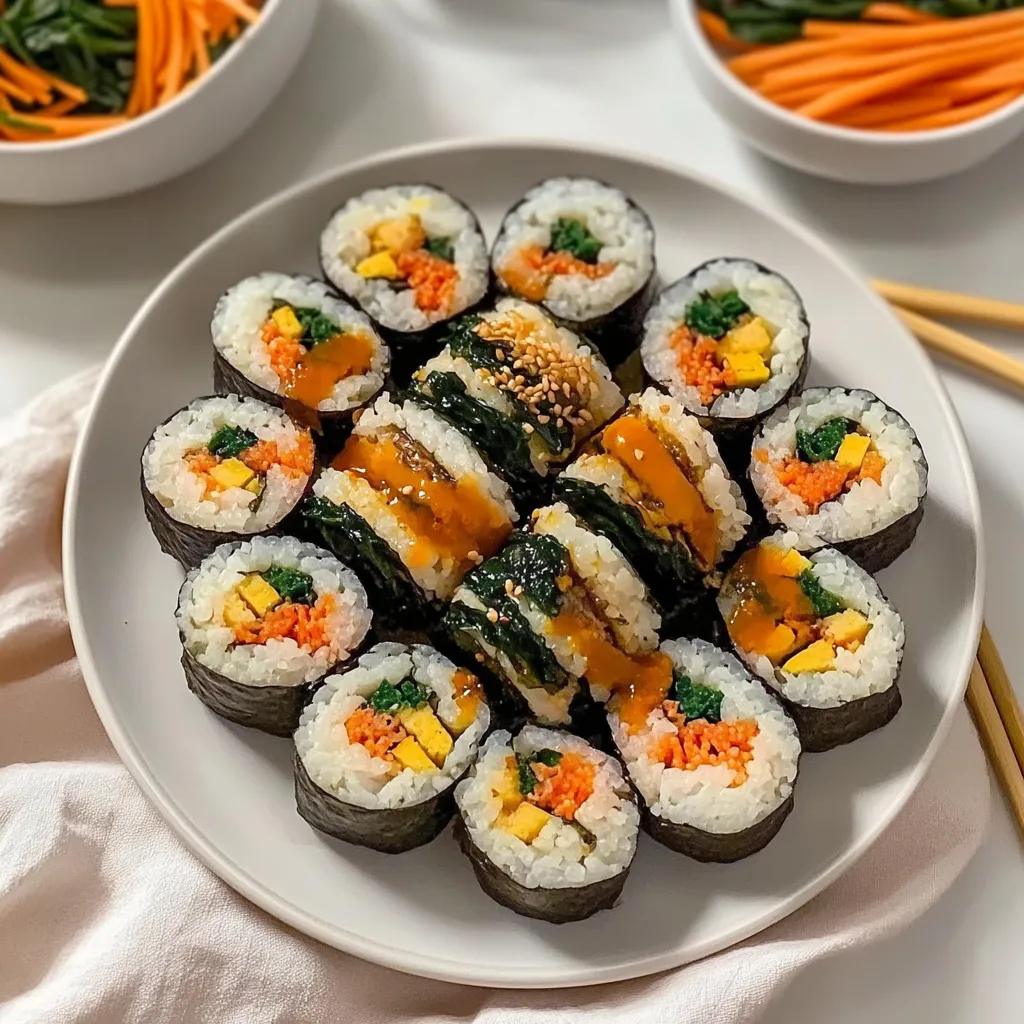
Oh, Kimbap! Just saying the name brings back memories of cozy picnics and vibrant afternoons under the sun. I remember the first time I tried this delightful dish—sitting on a blanket at a local park, surrounded by friends, the smell of sesame oil wafting in the air, and the first bite bursting with flavors. It was a moment where I fell head over heels for those lovely rice rolls wrapped in crisp seaweed. This traditional Korean dish is not just food; it’s a beautiful experience that’s perfect for sharing and making memories.
This recipe for Kimbap is one of my all-time favorites, and you’ll soon see why it has earned a special place in so many hearts (and stomachs!). Whether you’re planning a picnic, a cozy lunch, or a festive gathering, these bite-sized delights are sure to impress.
Why You’ll Love This Recipe
- Easy and fun to make—perfect for cooking with kids or friends!
- Versatile ingredients that can be swapped out based on what you love.
- Great for meal prep—these rolls hold up well in the fridge.
- Impressive presentation that’s as colorful as it is delicious.
- Budget-friendly, using simple, affordable ingredients.
Ingredients
Gather all your lovely ingredients together, and let’s get rolling!
- 2 cups short-grain rice (sushi rice is ideal)
- 2 1/2 cups water
- 1 tablespoon salt
- 1 tablespoon sesame oil (plus extra for drizzling)
- 5 sheets of seaweed (nori)
- 1 cucumber, julienned
- 1 carrot, julienned
- 4-5 pickled radishes (danmuji), sliced into strips
- 3 eggs, beaten and cooked into a thin omelet, then sliced
- 1 cup spinach, blanched and seasoned with salt and sesame oil
- Optional: sesame seeds for garnish
- Optional protein additions: bulgogi beef, crab sticks, or tofu!
Note: Fresh garlic can add more punch to your sautéed veggies, but if you’re short on time, garlic powder works too!
Step-by-Step Instructions
Making Kimbap is a delightful experience, almost like crafting a culinary work of art. Here’s how to do it:
- Prepare the Rice: Rinse the short-grain rice under cold water until the water runs clear. This removes excess starch, ensuring the rice is fluffy. Add the washed rice and 2 1/2 cups water to a rice cooker or pot, and cook according to the rice cooker’s instructions or until the water is absorbed. Let it sit for about 10 minutes after cooking.
- Season the Rice: Once the rice cools slightly, stir in 1 tablespoon of sesame oil and 1 tablespoon of salt. This adds lovely flavor and aroma. Set it aside to cool to room temperature.
- Prepare the Filling: While the rice cools, prepare your veggies. Julienne the cucumber and carrot, and sauté them lightly if you prefer them cooked (but raw is just as delightful!). Blanch the spinach in boiling water for a minute and squeeze out excess moisture, then season with a pinch of salt and a drizzle of sesame oil. Don’t skip this step; it’s the flavor boost your greens need!
- Make the Omelet: In a non-stick pan, scramble the beaten eggs over low heat to make a thin omelet. Once cooked, transfer to a cutting board and slice into thin strips.
- Assemble the Kimbap: Lay a sheet of seaweed on a bamboo mat (or a clean surface). With wet hands (to prevent sticking), spread a thin layer of rice over the nori, leaving about 1 inch at the bottom edge. The perfect rice-to-nori ratio adds just the right texture.
- Add Fillings: Arrange your julienned veggies, pickled radish, omelet stripes, and blanched spinach across the rice. You can also add any optional proteins or toppings here. Don’t overcrowd—less is more to avoid a messy roll!
- Roll it Up: Using the bamboo mat, start rolling the Kimbap away from you, pressing lightly to keep it tight but not too tight. When you reach the bare edge of the nori, moisten it with a little water to seal the roll.
- Slice and Serve: With a sharp knife, slice the roll into bite-sized pieces (about 1 inch thick). Wiping the knife with a wet cloth between cuts will ensure clean slices!
Enjoy the vibrant colors and simply irresistible flavors of your freshly made Kimbap. But before we get too excited, let’s explore some pro tips and variations!
Pro Tips & Variations
If you’re feeling adventurous, here are some playful twists you can try to customize your Kimbap:
- Spicy Kick: Add a bit of gochujang (Korean red pepper paste) to the rice for heat, or sprinkle some red pepper flakes on your fillings for that extra zing.
- Fusion Flavors: Experiment with different fillings! Try smoked salmon, cream cheese, or even grilled chicken for a unique fusion vibe.
- Vegetarian Delight: Load up on additional veggies like bell peppers, avocados, or even sweet potato for a colorful and nutritious option.
- Vegan Option: Substitute the egg with chickpea flour scrambled “eggs” or extra tofu to keep it plant-based.
Feel free to get creative! Kimbap is versatile and perfect for using what you have in the fridge. Just remember to keep the ingredients colorful for that Instagram-worthy dish!
Serving Suggestions
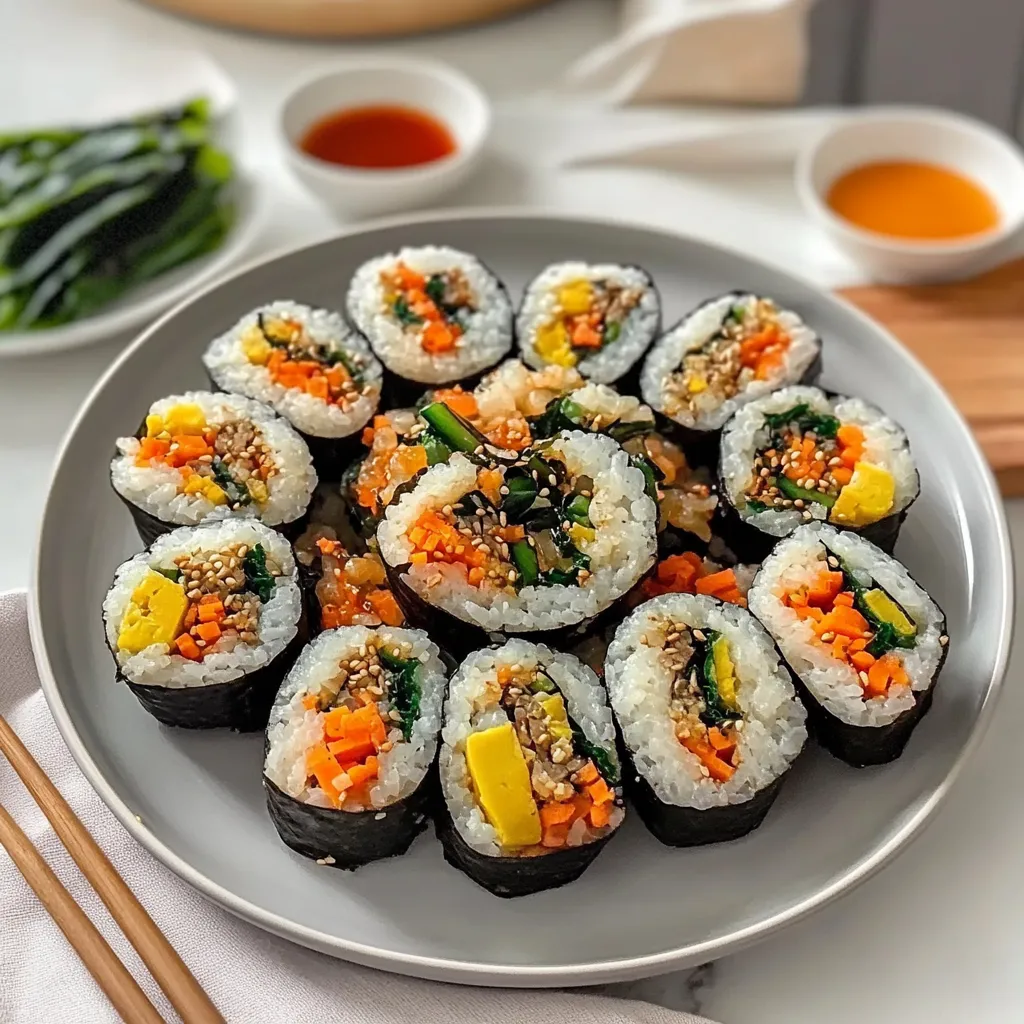
Serving Kimbap feels like a little celebration. I love to plate it alongside some freshly made kimchi—a tangy contrast that plays beautifully with the wholesome rolls. You could also whip up a light miso soup for a full meal, or serve it with pickled vegetables to enhance those flavors.
For a treat, pair it with a cool beverage, like sweet tea or a refreshing lemonade. And don’t forget about a fun dipping sauce! A simple mixture of soy sauce and a splash of sesame oil goes a long way. Perhaps even sprinkle some toasted sesame seeds on top for that beautiful crunch! Imagine your friends and family gathering around, savoring each bite together.
Storage Tips
If you find yourself with leftovers (though I doubt anyone can resist these!), here’s how to keep them fresh:
- Refrigerate: Kimbap can be stored in the fridge for up to 2 days. Wrap them in plastic wrap to keep them moist.
- Freeze: If you want to keep them longer, you can freeze individual rolls. Just be sure to separate them with parchment paper to prevent sticking.
- Reheat: For those frozen rolls, let them thaw in the fridge overnight and enjoy them cold or let them sit at room temperature for a bit. If you prefer warm rolls, a quick 10-15 second jolt in the microwave can do wonders!
FAQs
Can I use brown rice instead of white rice for Kimbap?
Absolutely! Brown rice adds more fiber and a nutty flavor, although it may change the texture slightly. Just make sure to adjust the cooking time as brown rice usually takes longer to cook.
Can I make Kimbap ahead of time?
Yes, you can! Kimbap is a great make-ahead option, just remember that the nori will start to soften if left in contact with the rice for too long. I’d recommend making it the day before or the morning of your picnic or meal.
What if I can’t find nori? What should I use instead?
No worries! You can use rice paper wraps, lettuce leaves, or even thinly sliced cucumber as a wrap alternative. Just think outside the box!
Is Kimbap gluten-free?
Kimbap can be gluten-free if you use gluten-free soy sauce and ensure your fillings are all gluten-free. Always check labels, especially for sauces, as many contain gluten!
Conclusion
And there you have it, my lovely friends—your very own homemade Kimbap! This delightful dish is perfect for creating moments of joy, whether through sharing it with loved ones or savoring it all to yourself. I hope you enjoy every delicious morsel just as I do. If you give this recipe a try, please share your experience in the comments below! What fillings will you experiment with? Happy cooking!
Print
Delicious Kimbap Master the Art of Korean Seaweed Rolls
- Total Time: 50 minutes
- Yield: 4 servings 1x
Description
Master Korean seaweed rice rolls with our delicious Kimbap recipe Discover techniques for perfecting this tasty dish Enjoy every bite
Ingredients
Instructions
Notes
Kimbap is a delightful Korean dish made with rice and a variety of fillings wrapped in seaweed. Perfect for picnics, lunches, or gatherings!
- Prep Time: 30 minutes
- Cook Time: 20 minutes
- Category: Main Course
- Cuisine: Korean
Nutrition
- Serving Size: 4 servings
- Calories: 400
- Sugar: 1 gram
- Fat: 14 grams
- Carbohydrates: 58 grams
- Fiber: 3 grams
- Protein: 12 grams
Keywords: Kimbap, Korean, Seaweed, Rice Rolls, Recipe